

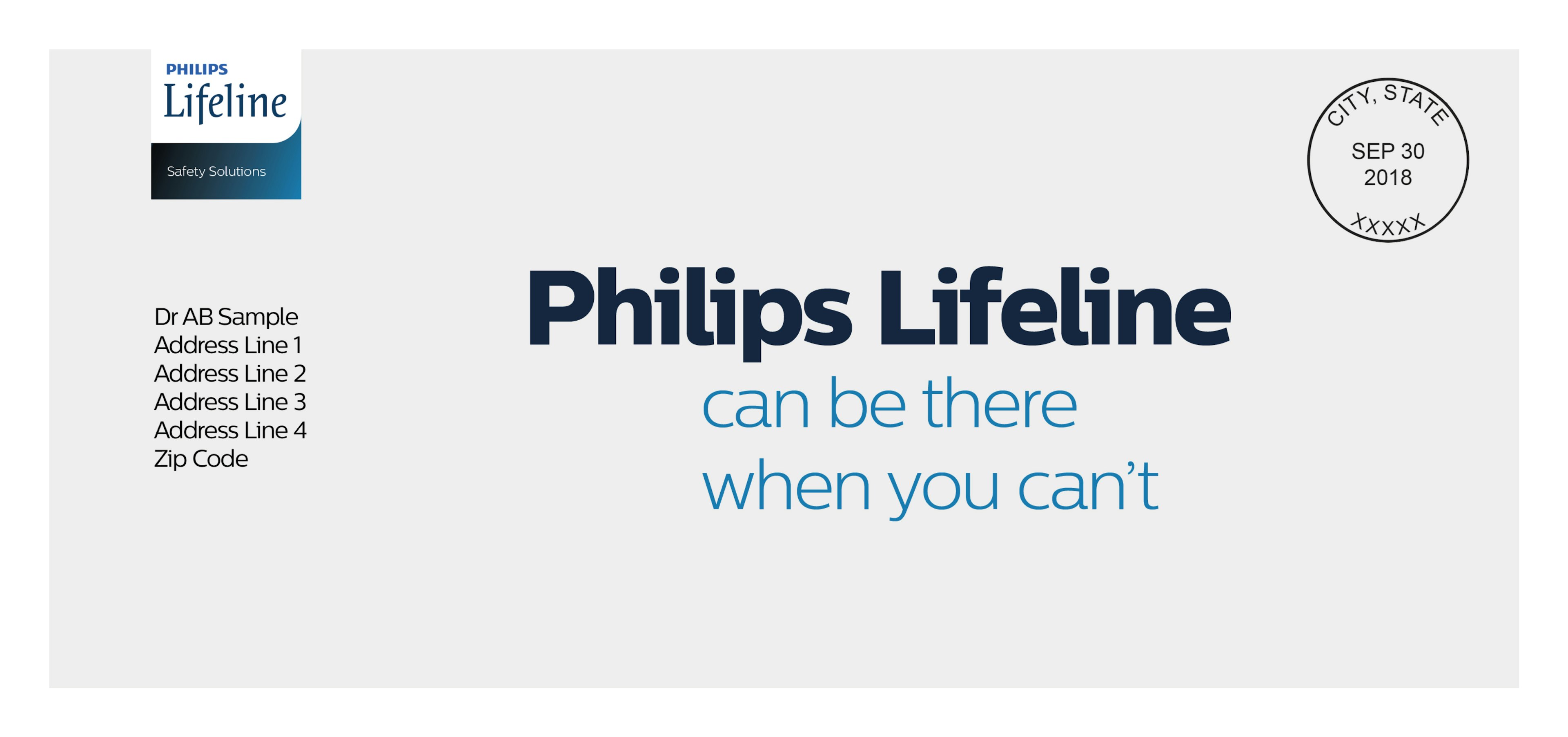
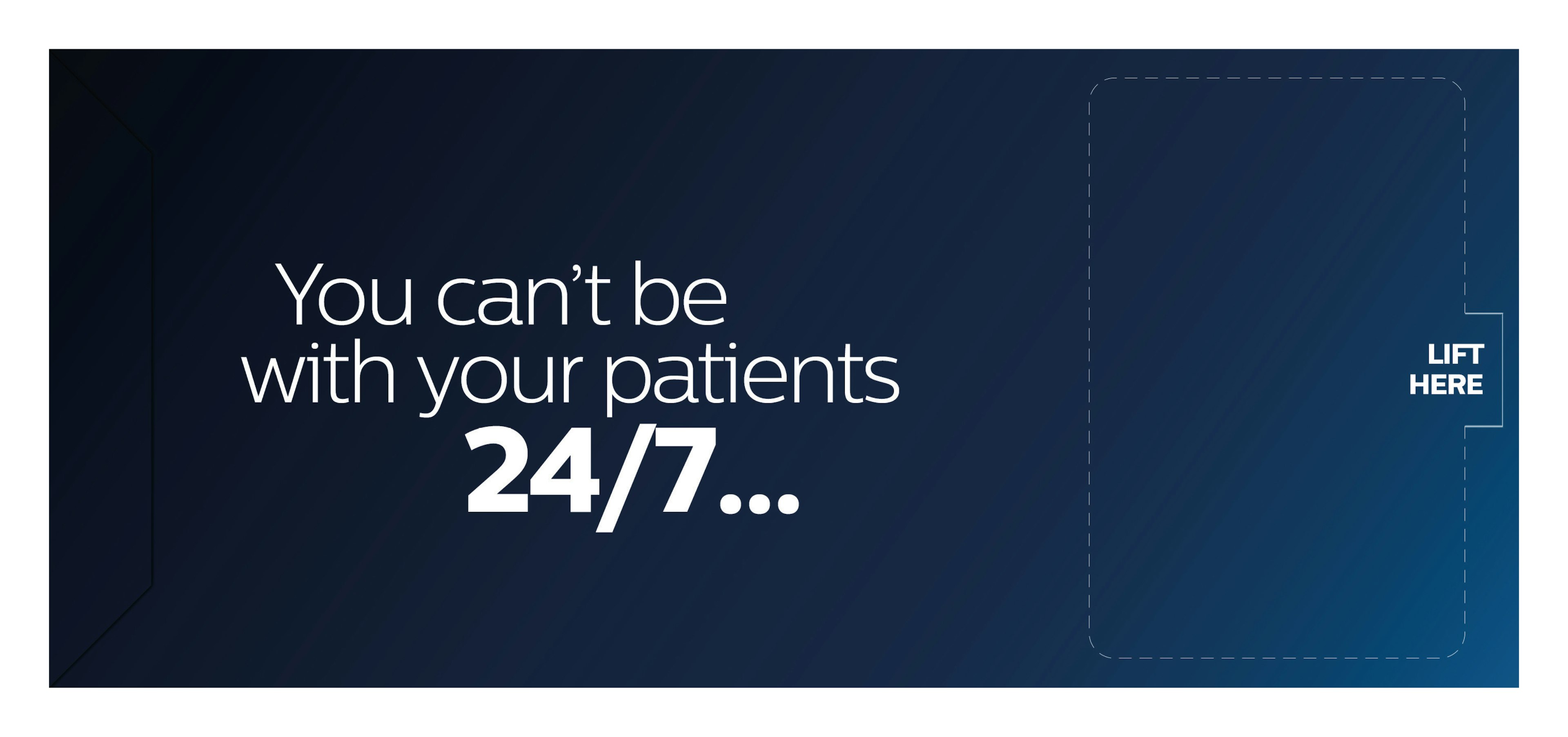
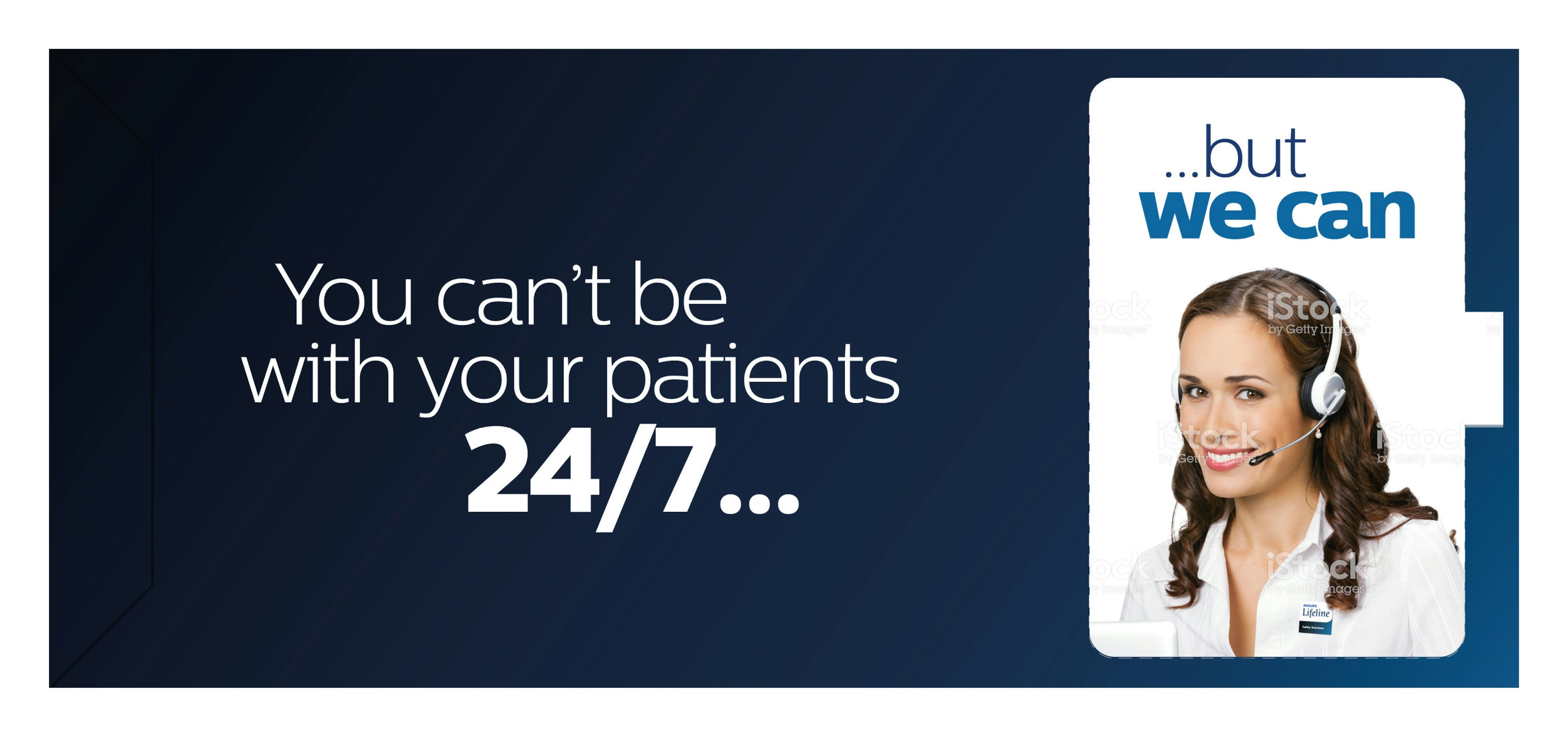
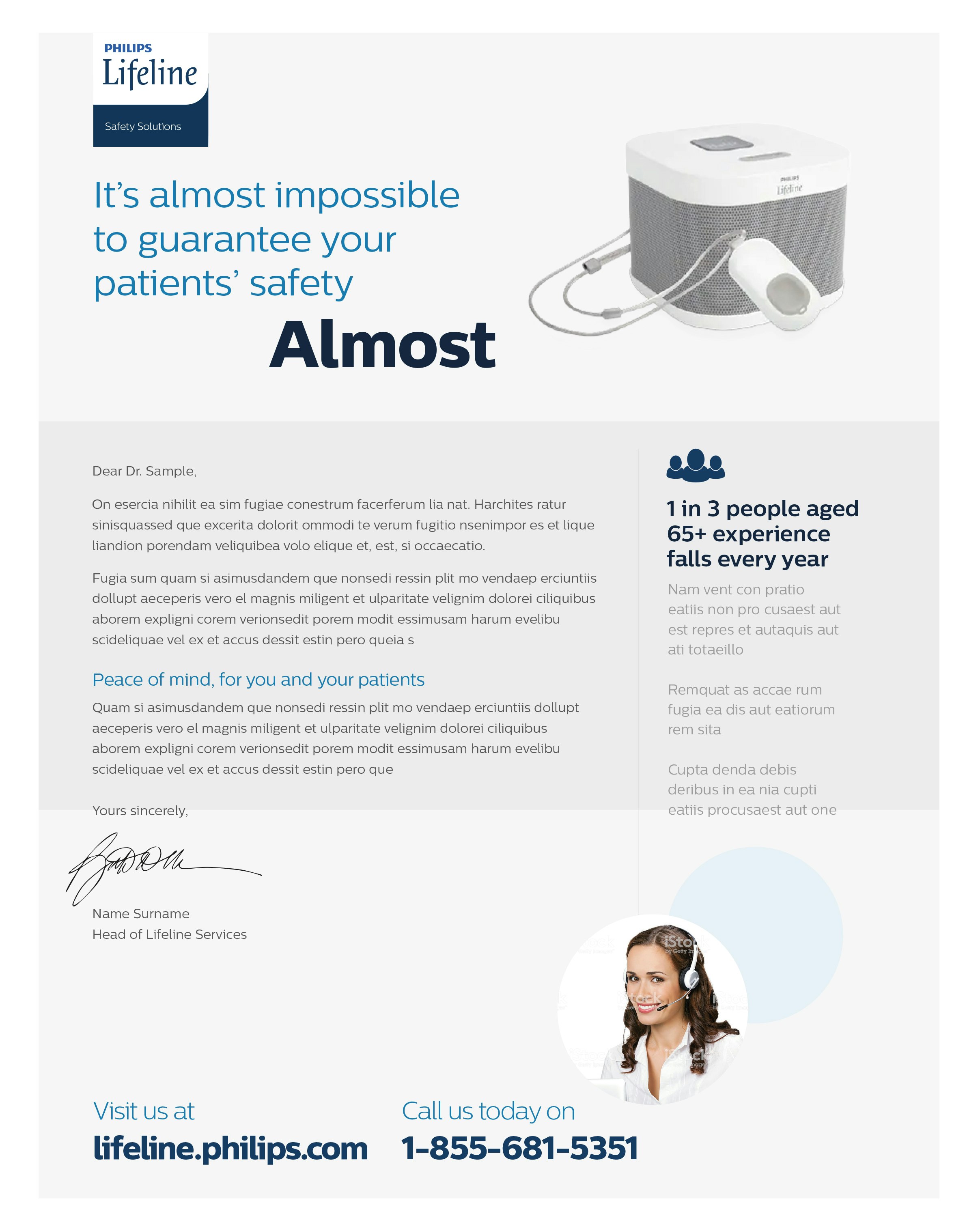
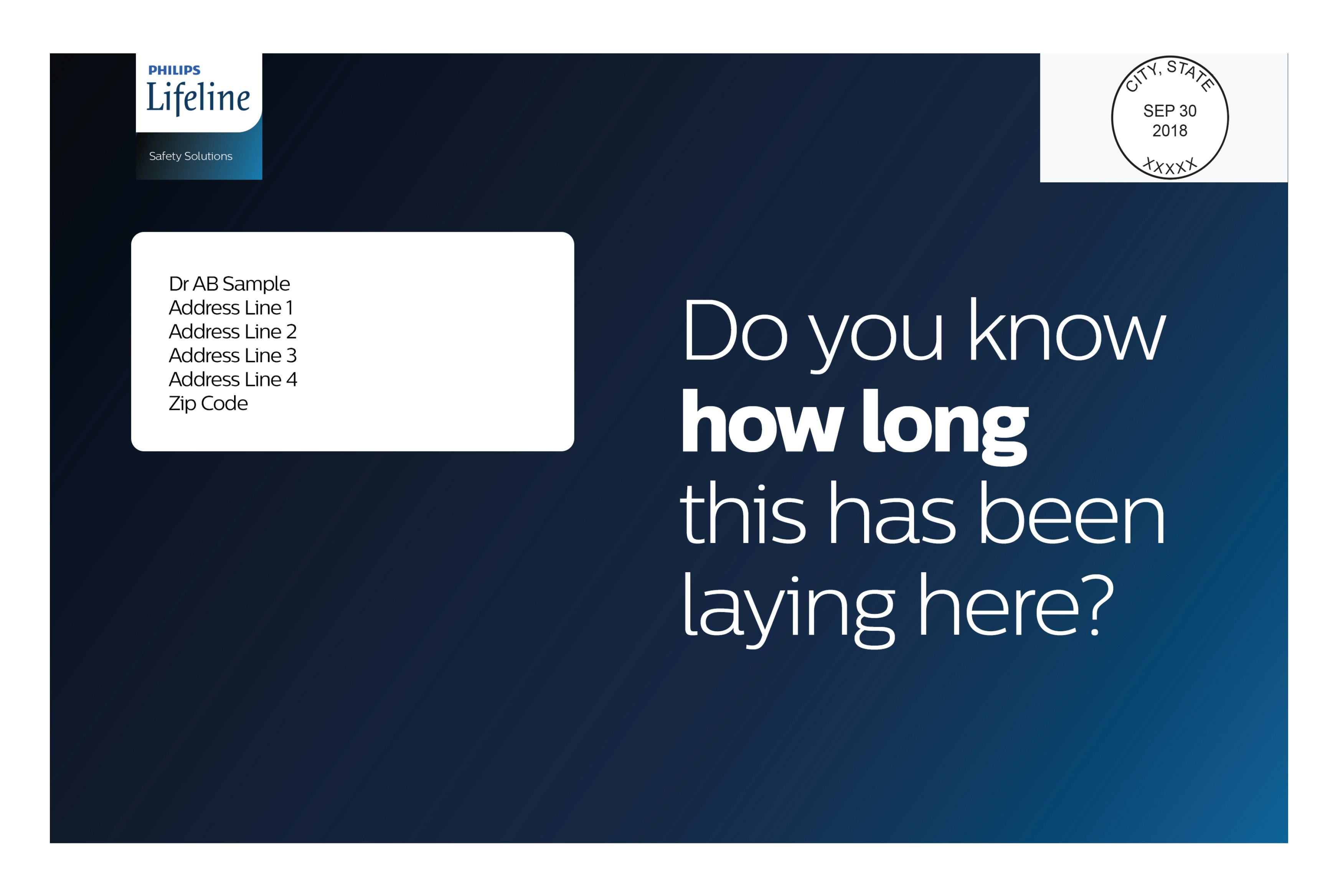

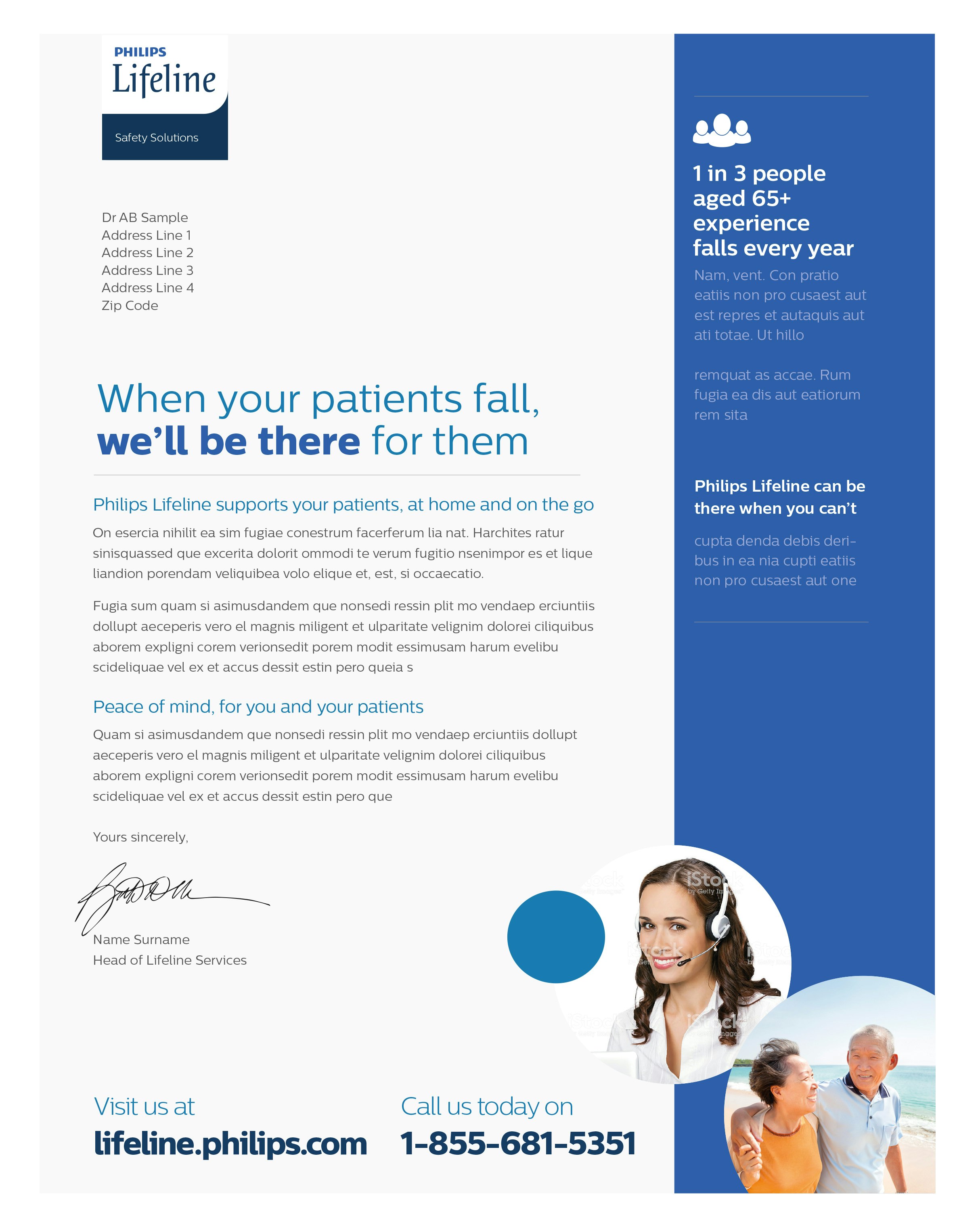
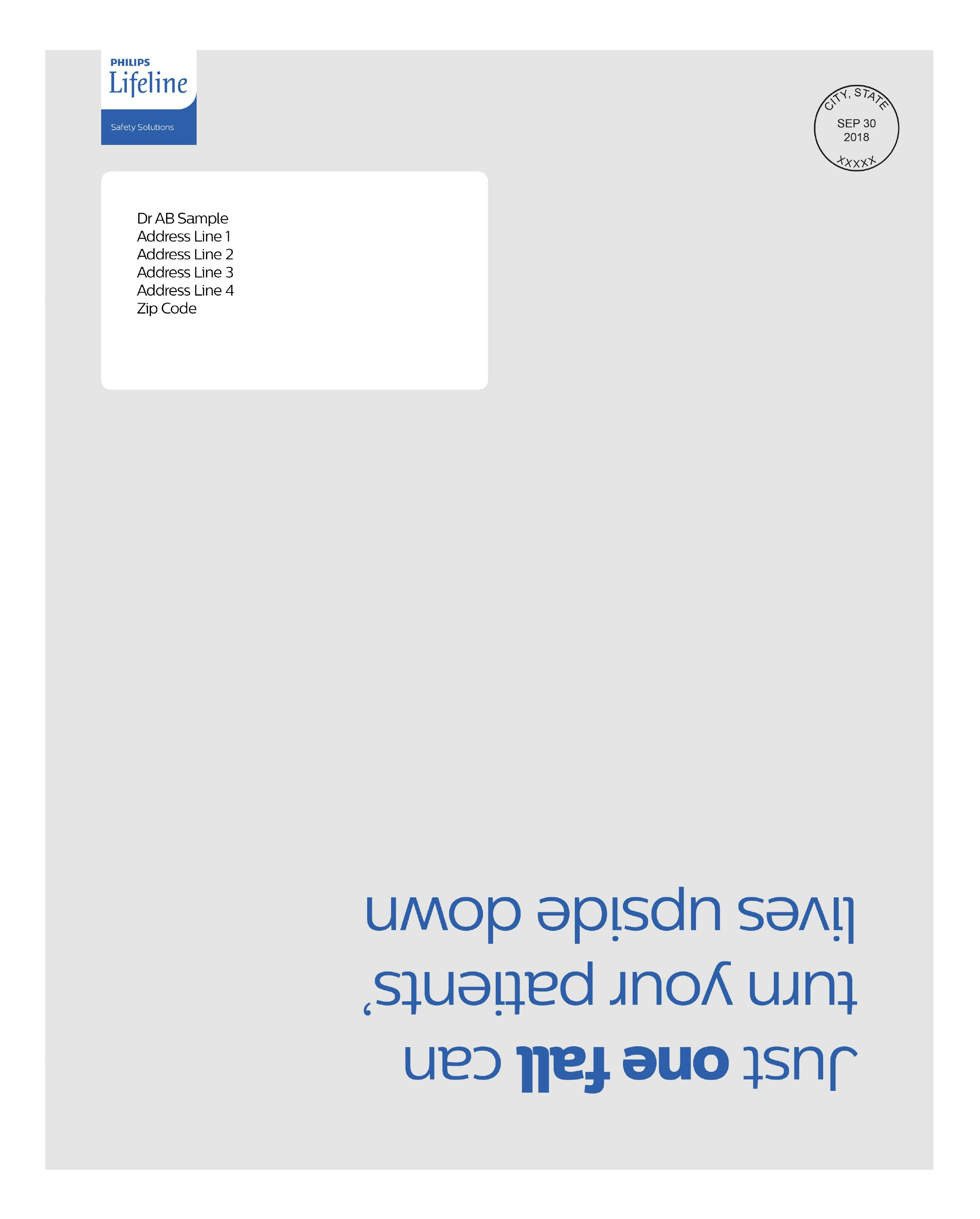
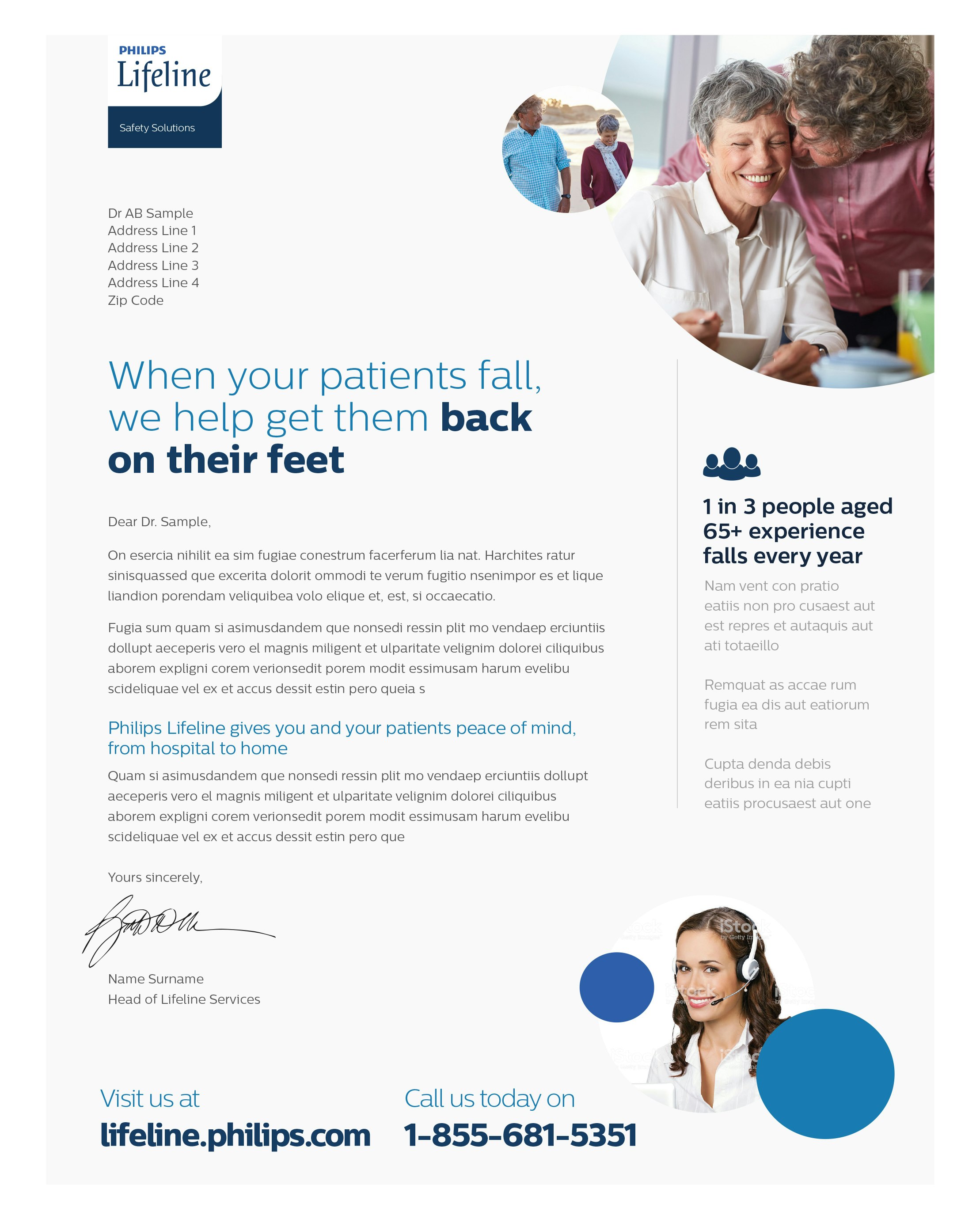
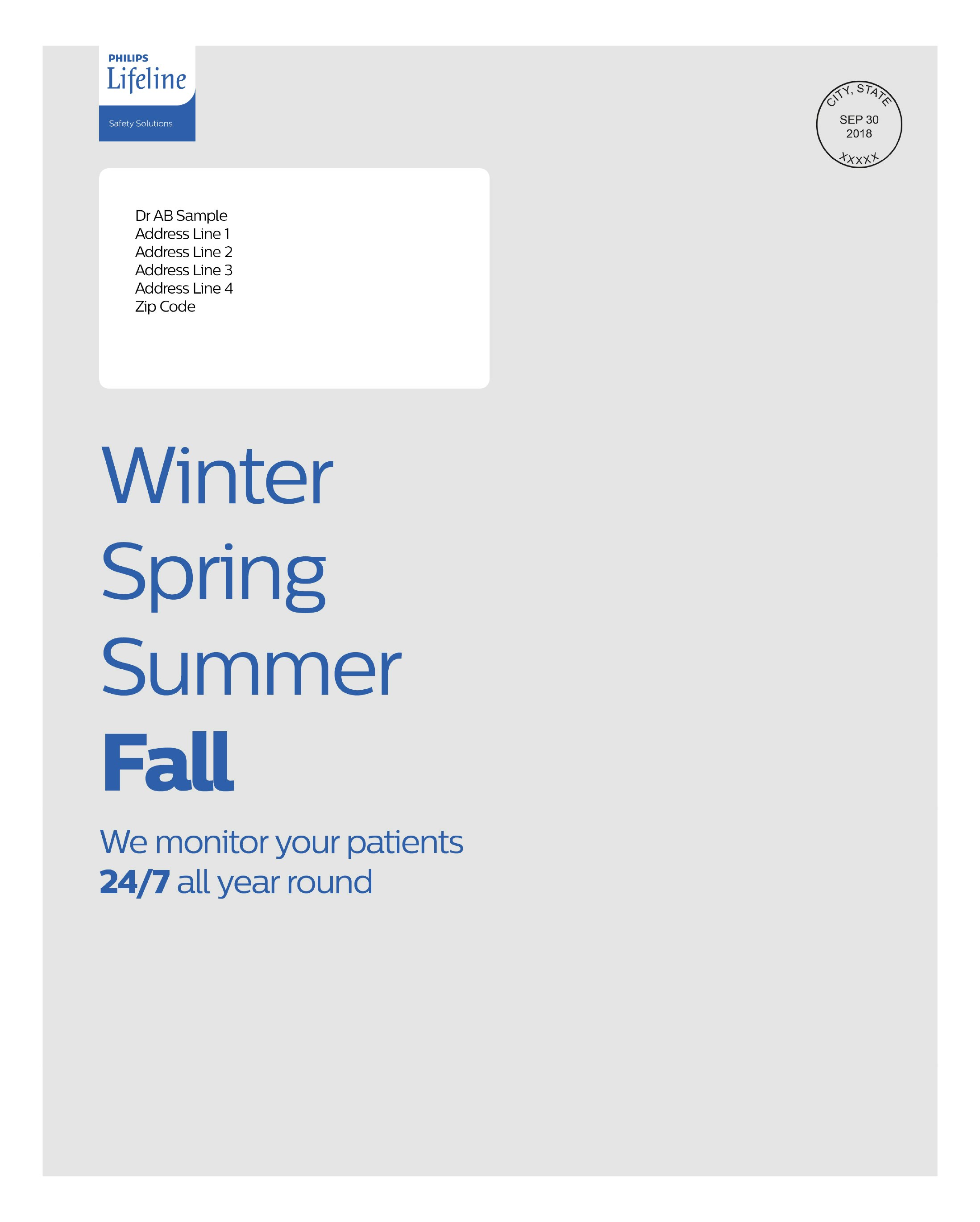
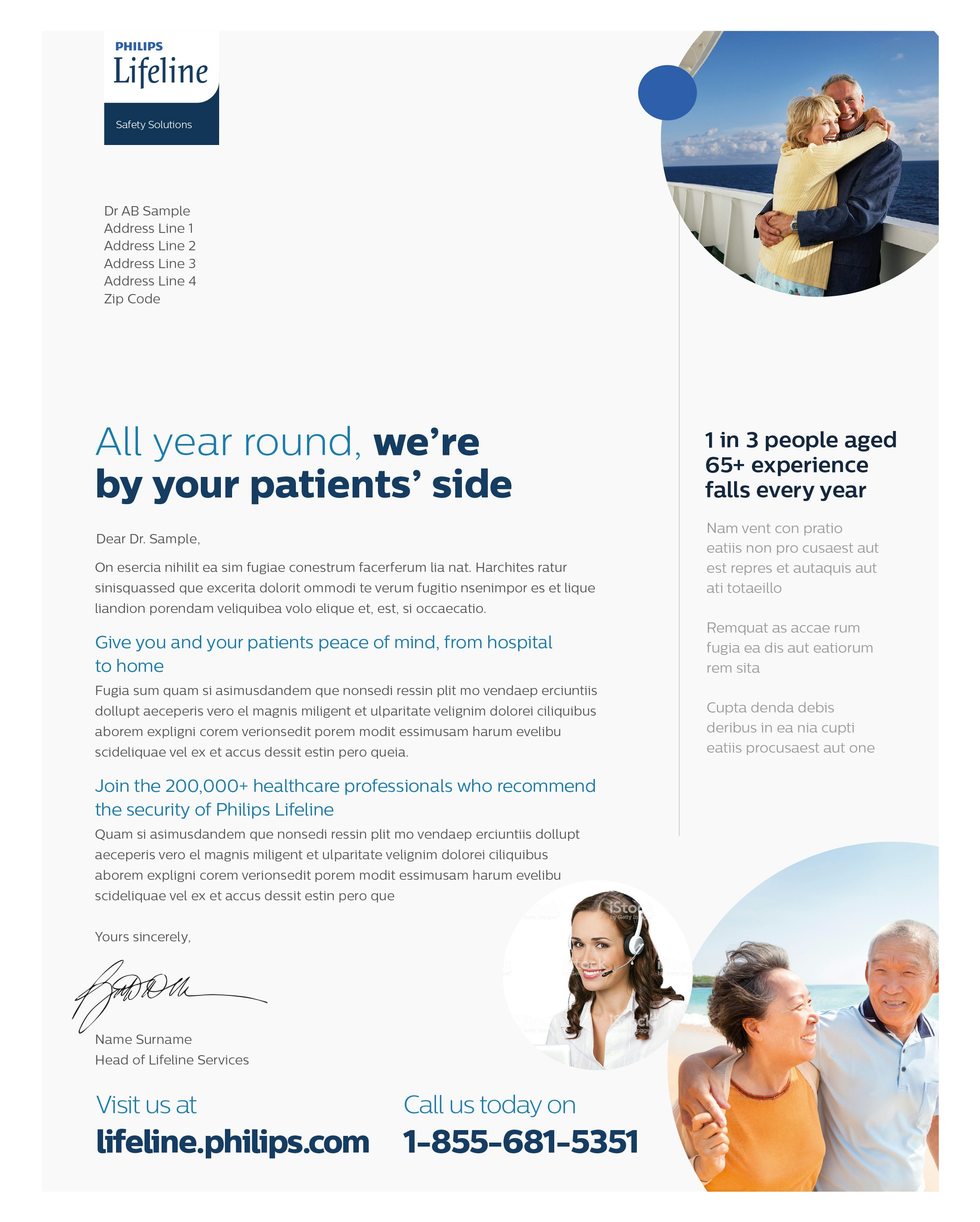
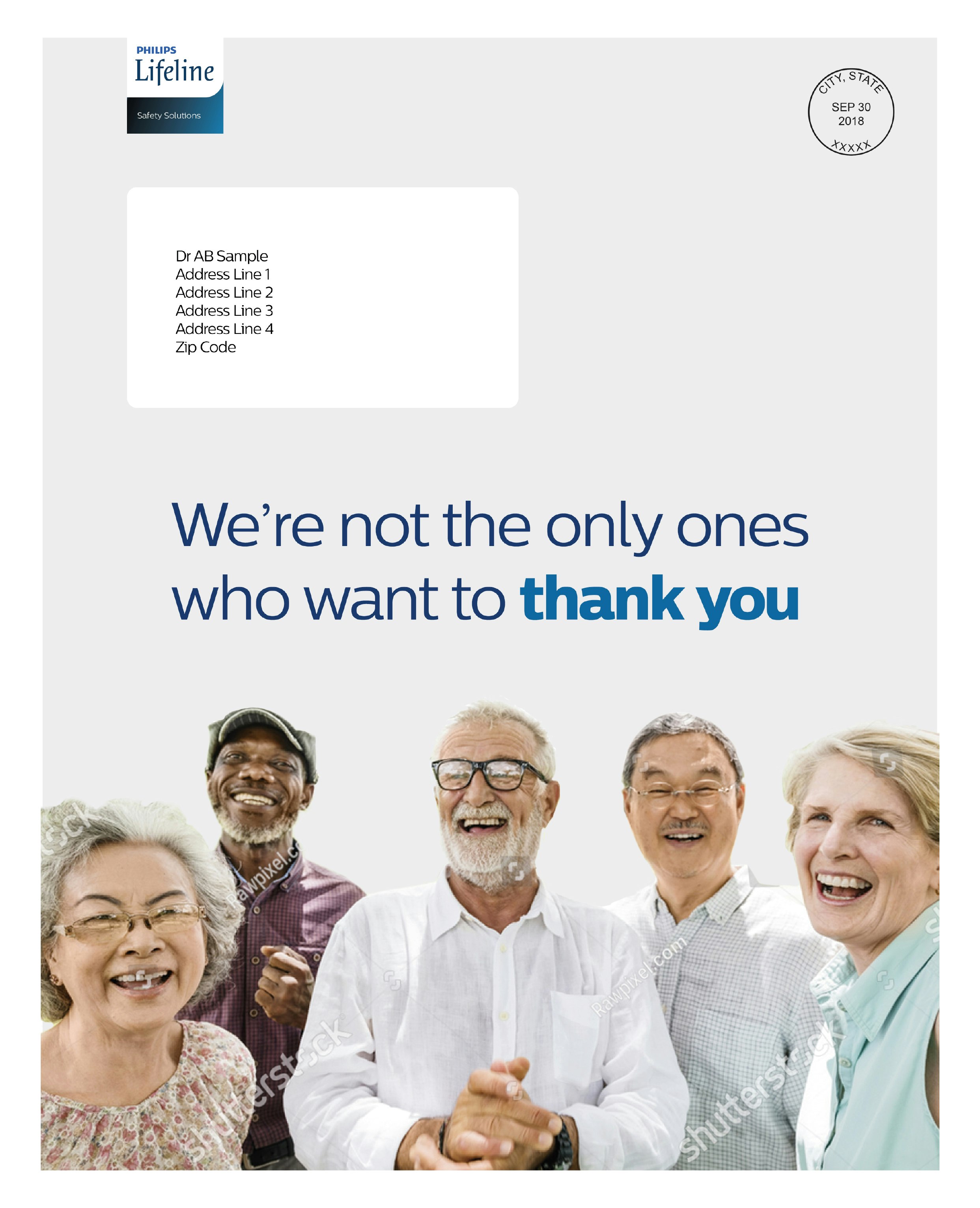

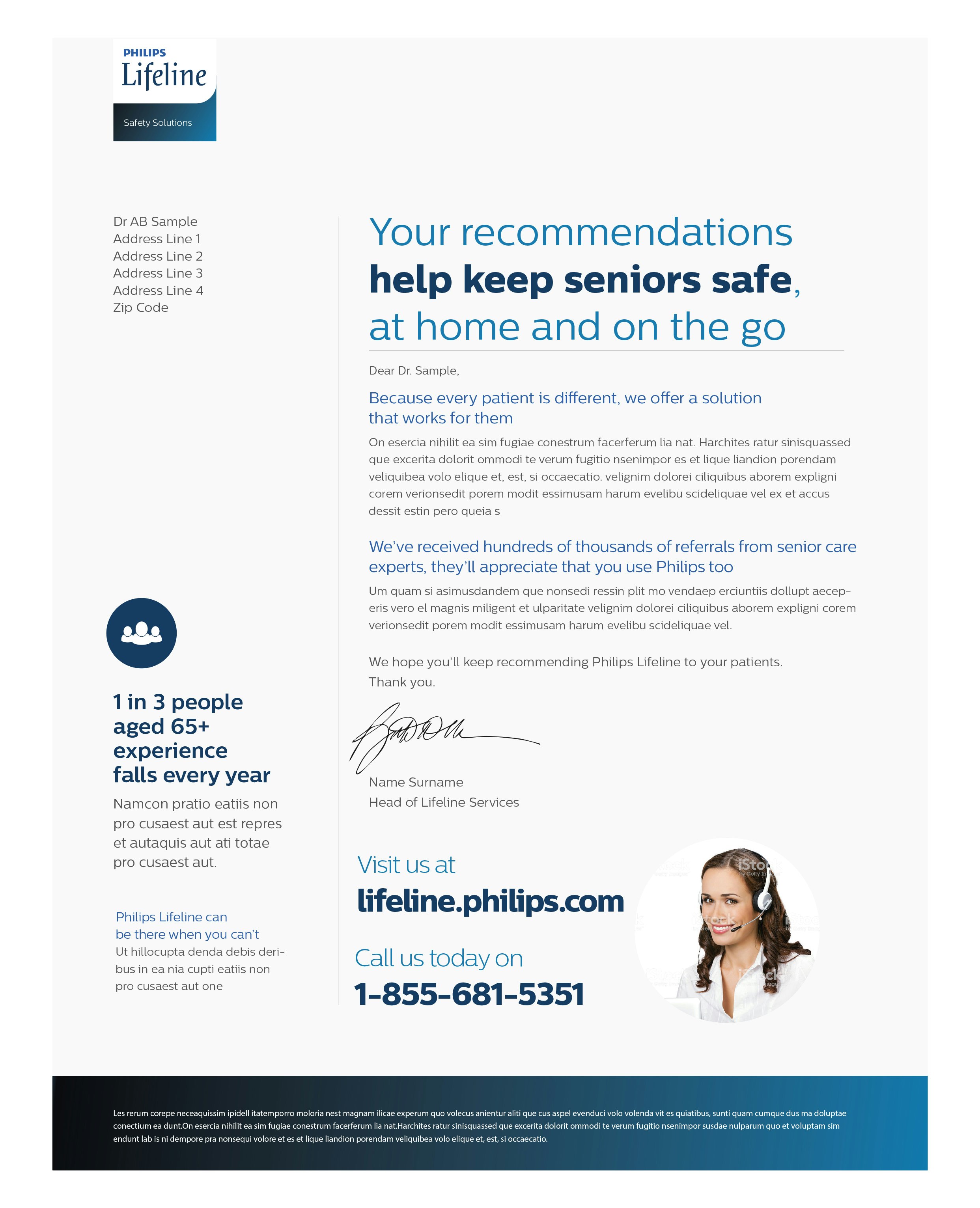

Philips Lifeline USA Direct Mail
Using persuasion science to beat the control, and prove it works.
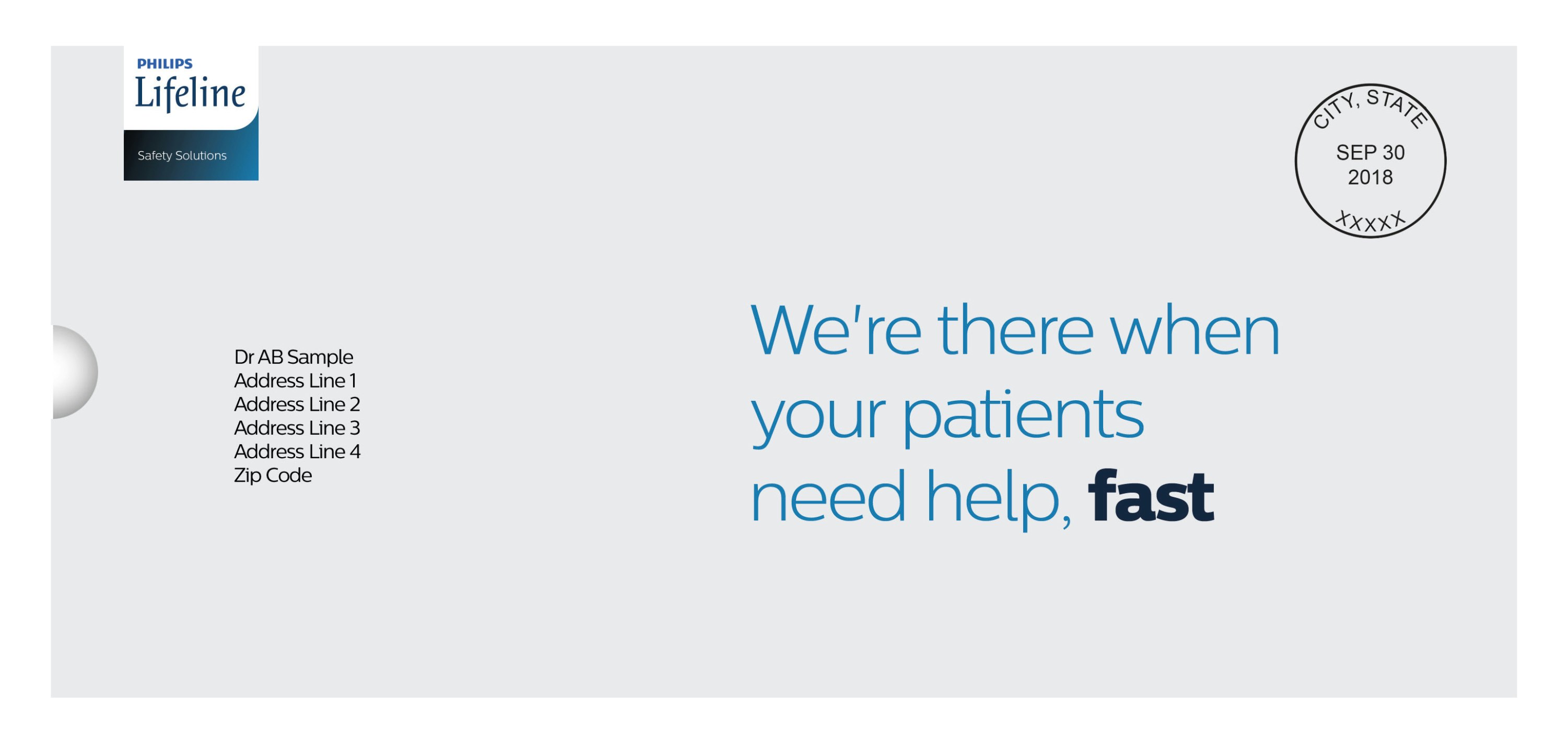
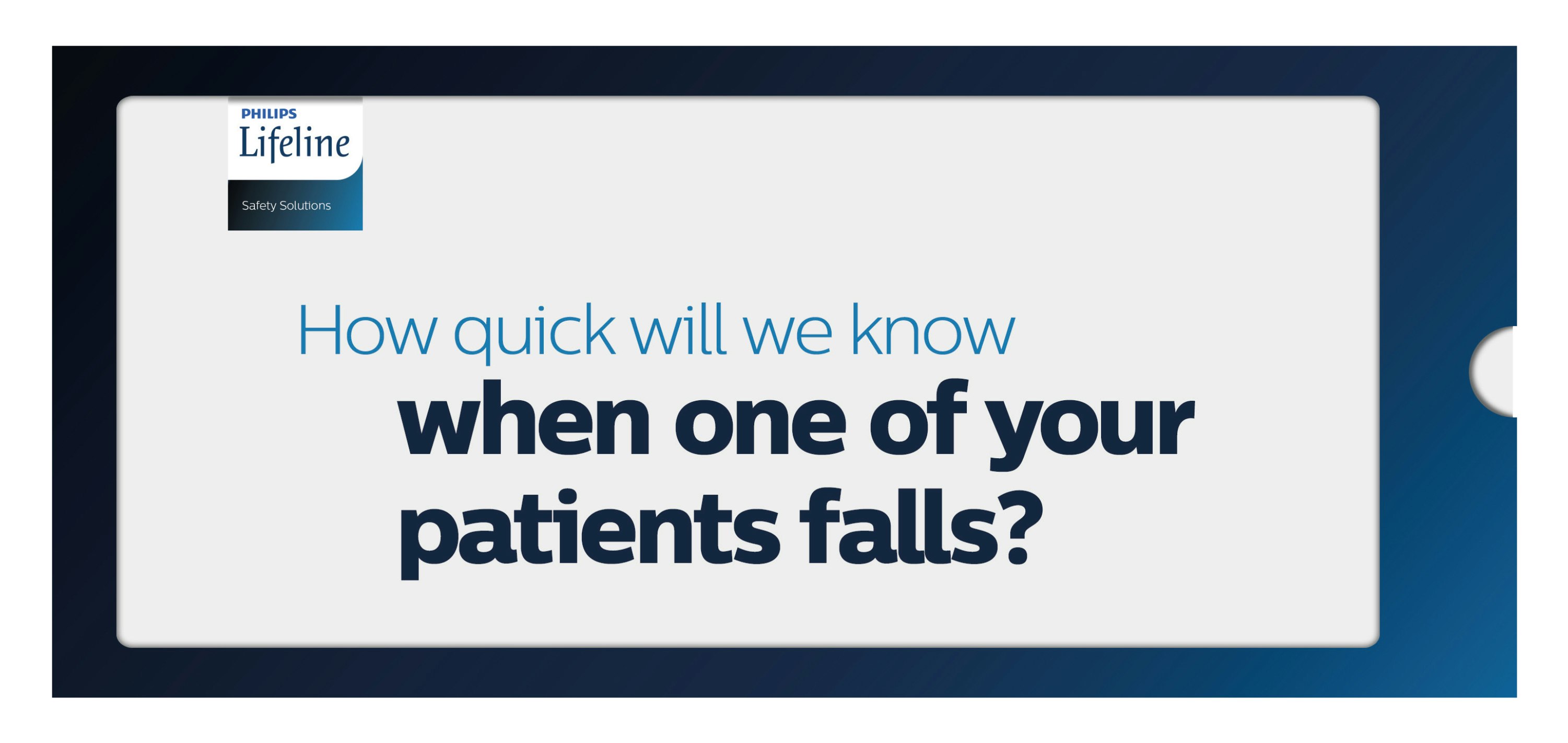
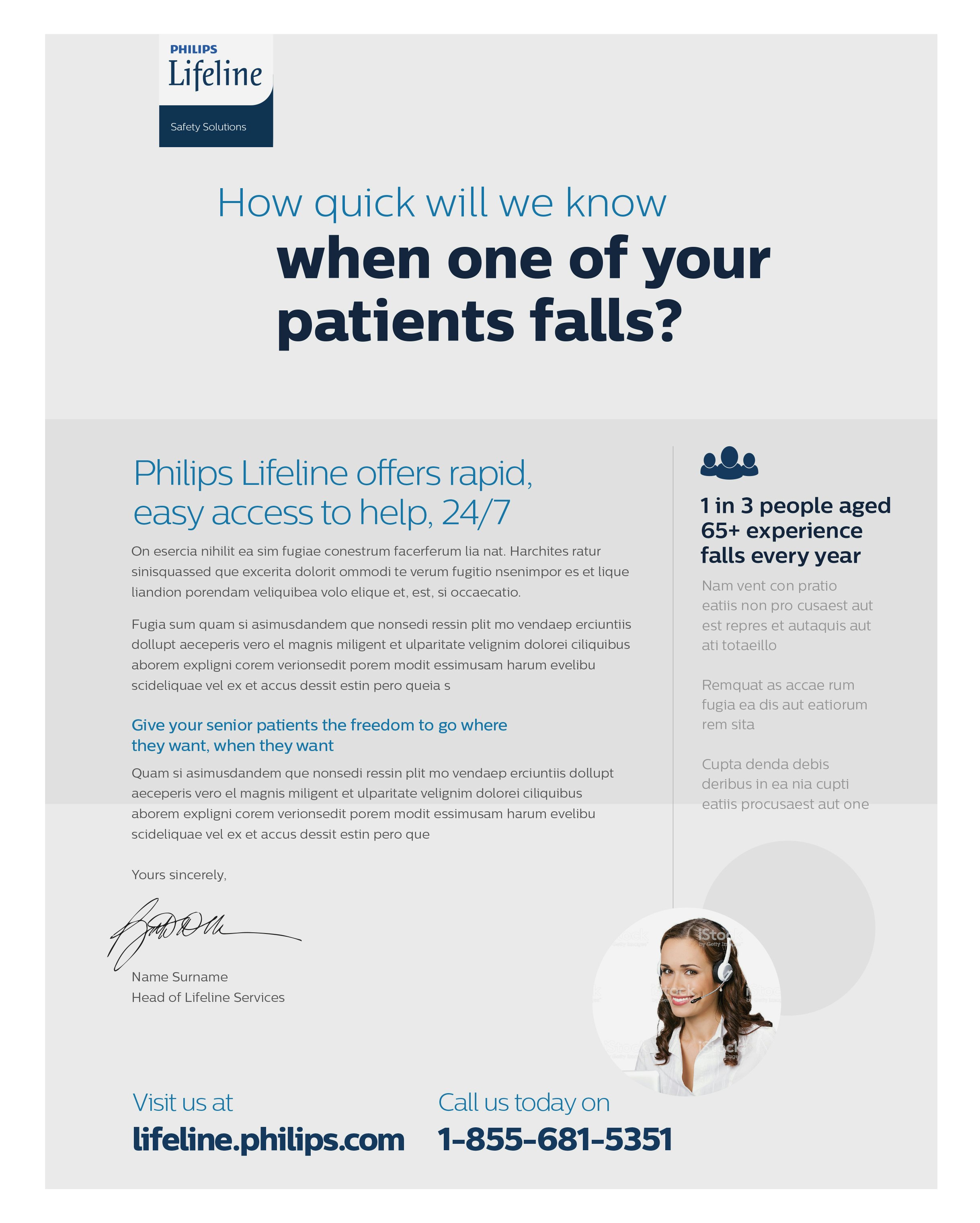
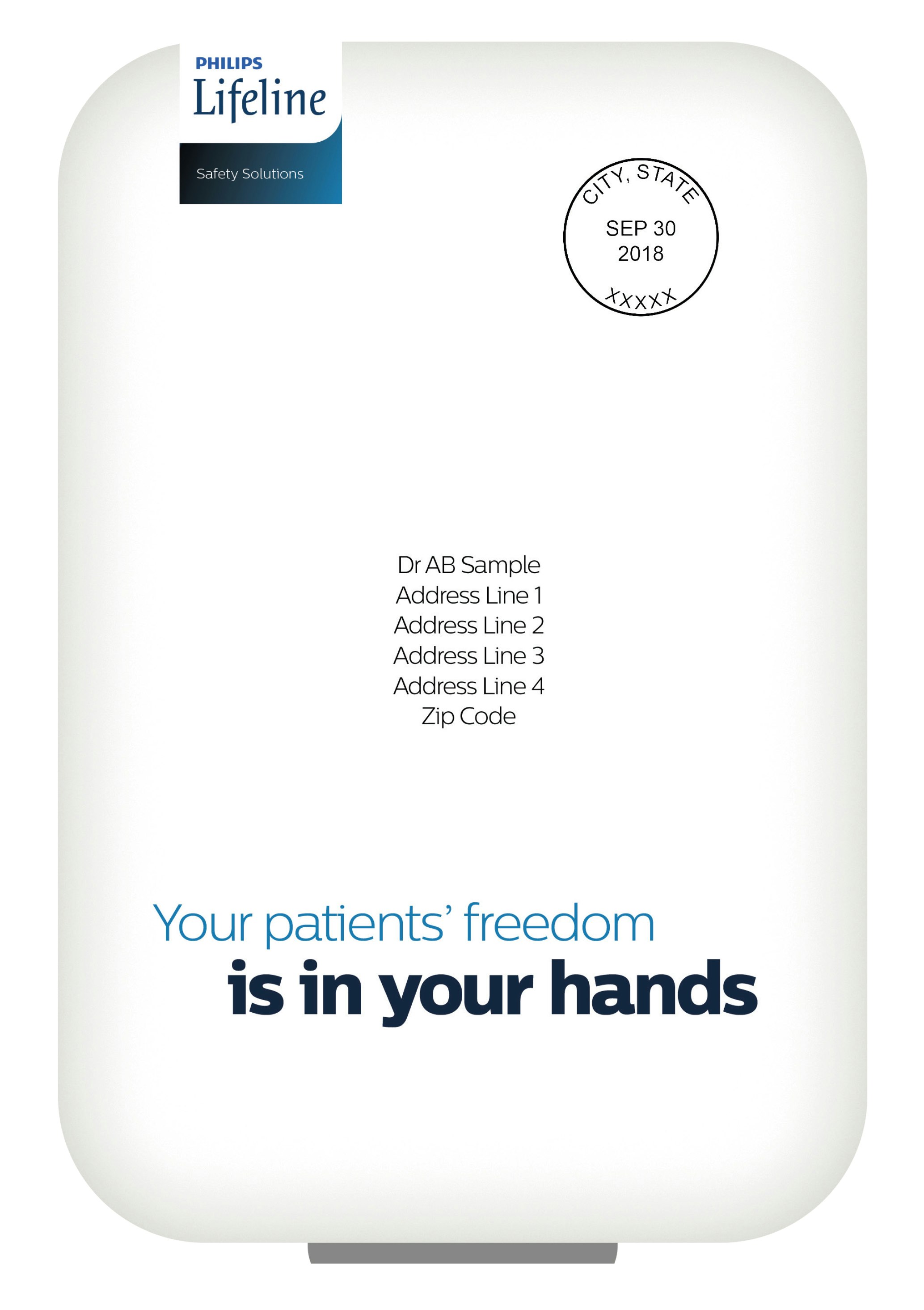
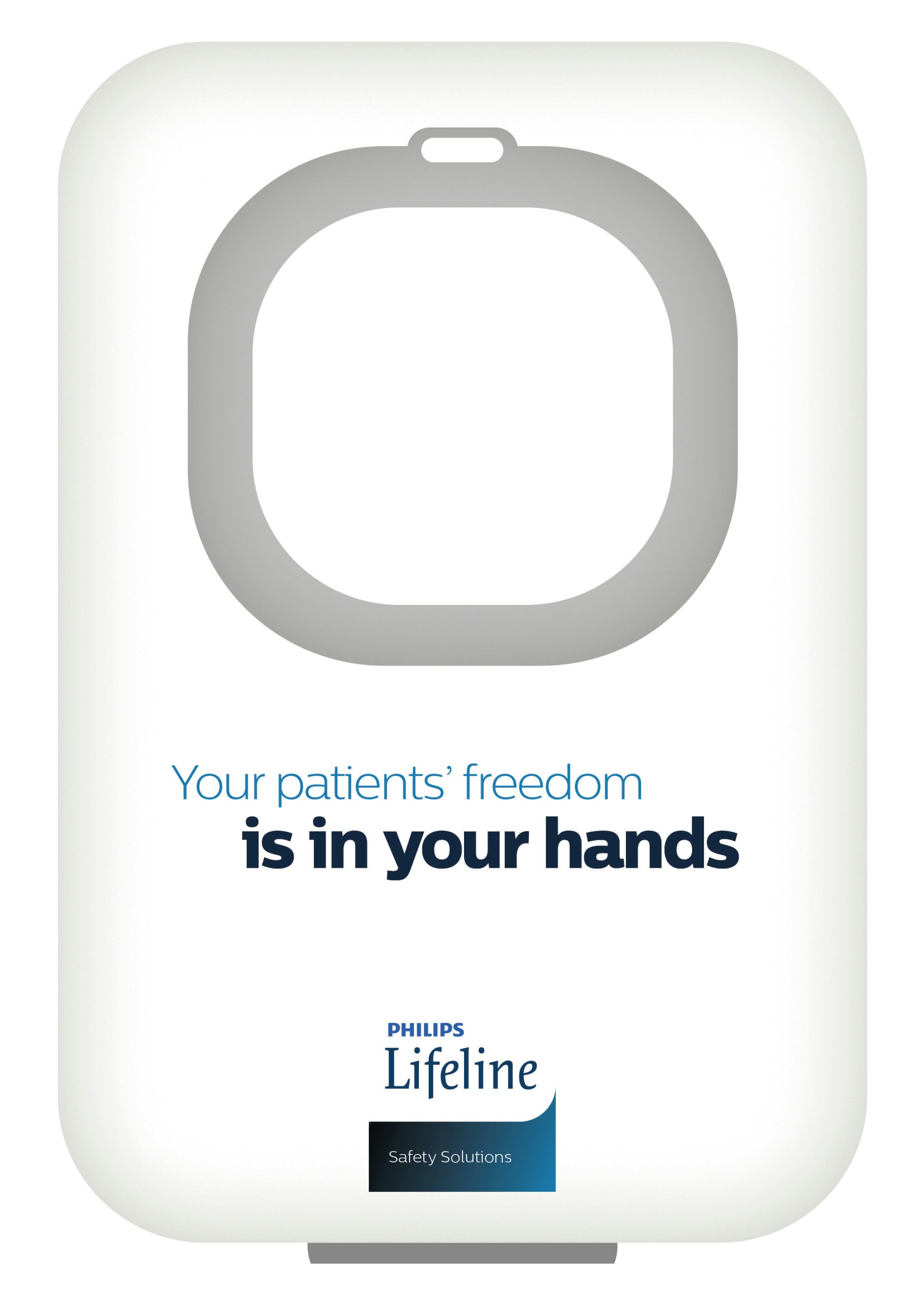
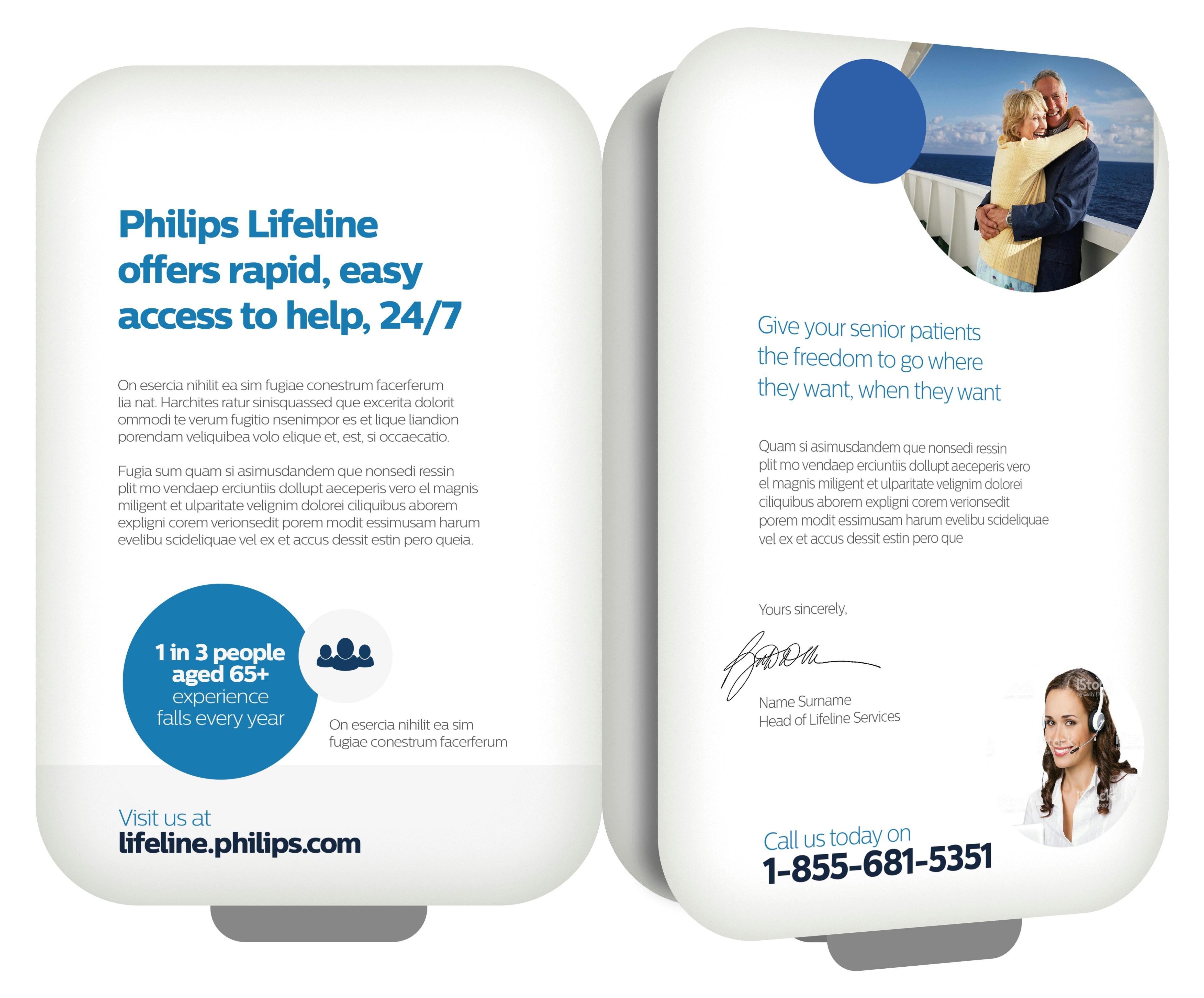
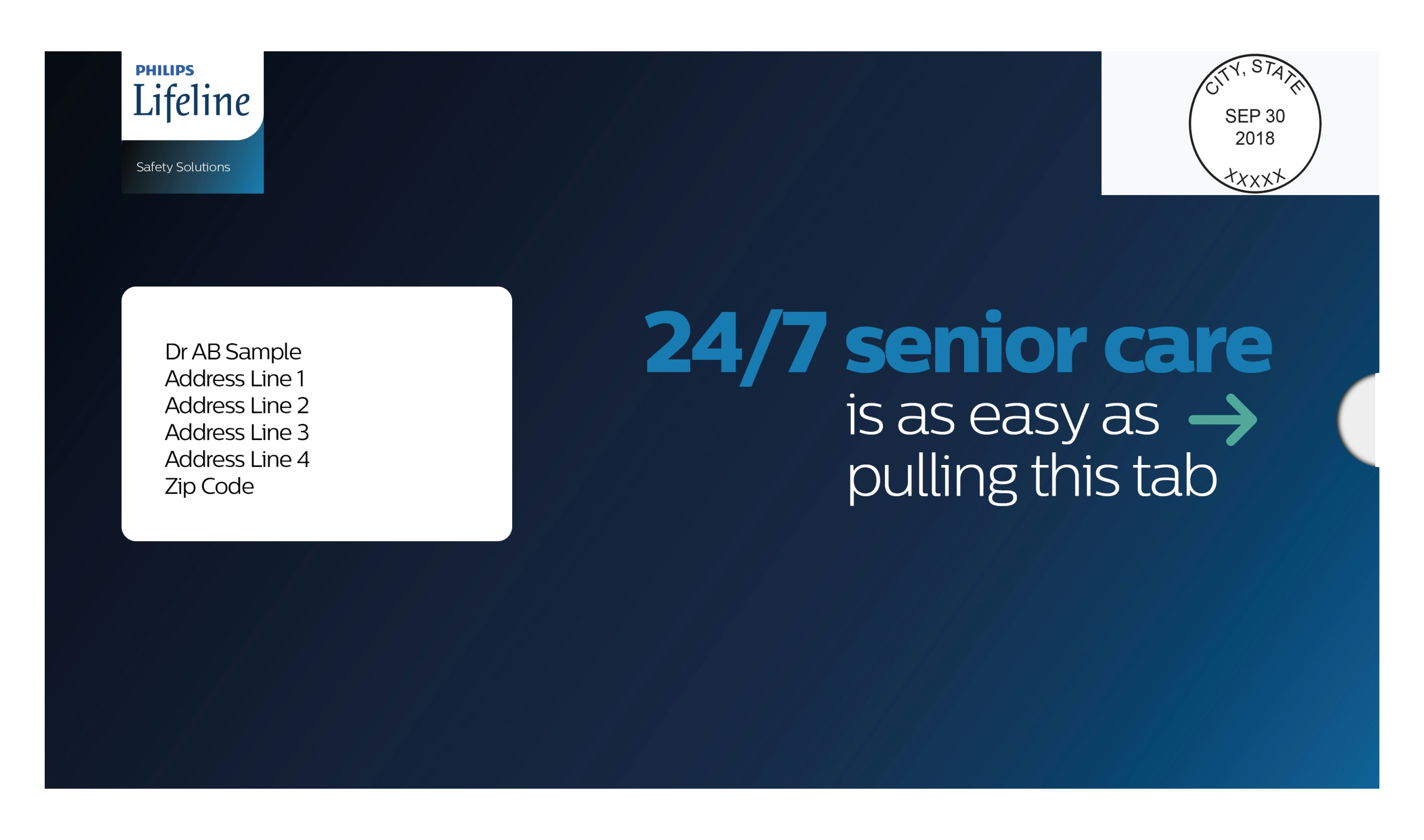
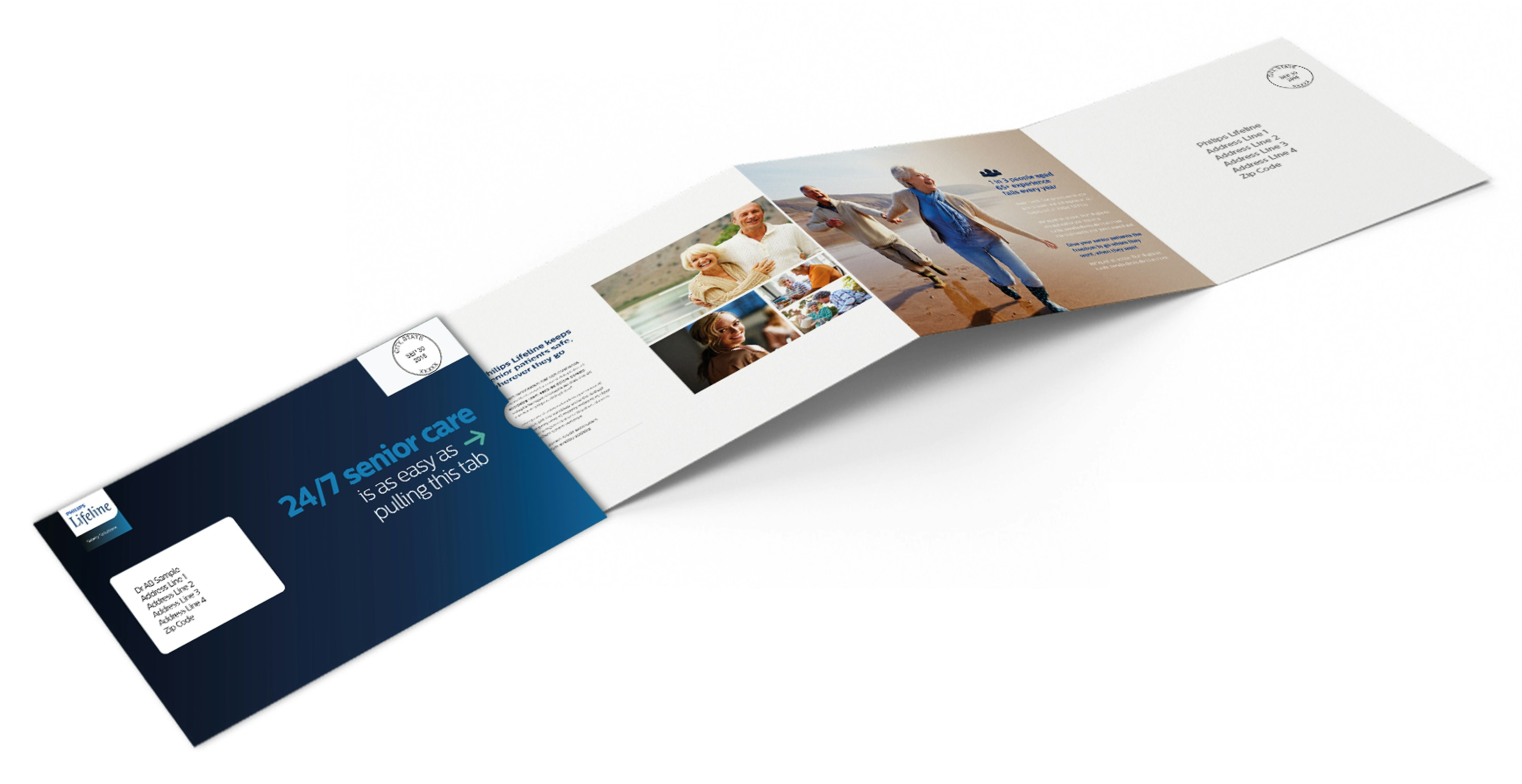
This project involved a series of direct mail packs for Philips Lifeline in the USA, developed following a persuasion and response workshop I ran with the internal marketing team at Philips’ Boston offices.
At the time, the team was struggling to improve performance across two key direct mail packs for their Lifeline offering:
– one targeting the end user
– one targeting patients and carers
Both packs had become entrenched as long-standing “controls”, but response rates had plateaued. The brief was not simply to refresh the creative — it was to demonstrate, in practice, how persuasion principles and direct response techniques could materially improve results.
During the workshop, I walked the team through proven persuasion and response frameworks drawn from three decades of direct marketing experience, covering structure, hierarchy of messaging, emotional triggers, reassurance, proof points and call-to-action clarity. I then applied those principles to completely rework both packs.
The revised mailings were taken into live testing against the existing controls. The new packs outperformed the originals, delivering the uplift in response the team had been seeking and validating the approach in real-world conditions.
Beyond the immediate performance gains, the project helped upskill the internal Philips team, giving them a clearer understanding of why certain techniques work — not just what they look like. It also served as a practical demonstration of how strategic thinking, behavioural insight and creative execution combine to drive measurable results in direct mail.
I led the workshop, strategic thinking and copywriting, bringing together persuasion science and direct marketing best practice to deliver work that didn’t just look better, it performed better.